The Caribbean Strategic Outlook: Survival and Scalability in a Fractured Global Order
The era of "easy" Caribbean growth is over. The global geopolitical map is being redrawn by force, and our region sits on some of the most expensive real estate on that map. Between the expansion of the BRICS bloc, the hardening of the US "Front Yard" policy, and the weaponization of global supply chains, the Caribbean is no longer just a vacation spot in the eyes of global powers. It is a strategic asset.
For business owners, policymakers, and investors, the next 36 months will be defined by one word: Friction. Friction in moving money, friction in sourcing energy, and friction in maintaining neutrality. If you are running a business or a country on 2019 assumptions, you are already insolvent. You just do not know it yet.
Section 1: The Global Reality
The fragmentation of global trade is not a temporary glitch; it is the new operating system.
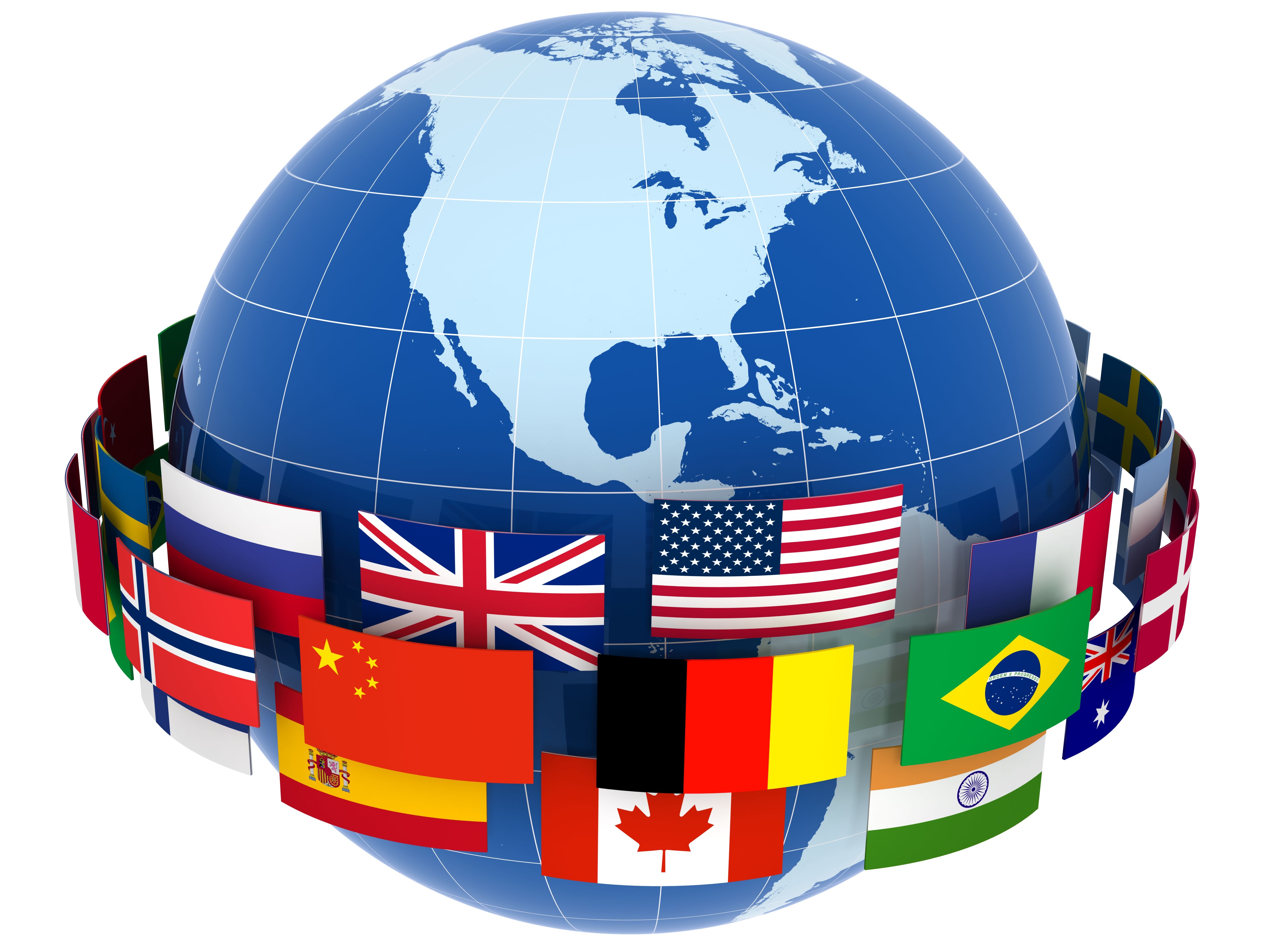
Active wars and maritime chokepoints in Eastern Europe and the Middle East have permanently altered the cost of distance. When the Red Sea is restricted, global shipping capacity tightens everywhere. For the Caribbean, this means imported inflation is now a permanent line item. You are paying for wars you are not fighting every time a container hits the dock in Kingston or Bridgetown.
Furthermore, we are seeing a return to Cold War style military signaling. Russian naval visits and Chinese dual use port investments are forcing the United States to move from benign neglect to active oversight of the Caribbean. This means your infrastructure projects are no longer just engineering decisions; they are diplomatic statements.
Section 2: What the United States Is Signaling
Washington has stopped pretending that trade is separate from security. Nearshoring is now a security mandate. The US wants its supply chains within reach. This is the single greatest opportunity for the Caribbean in fifty years, but it comes with strings. To participate in the Americas Partnership for Economic Prosperity, you must align with US standards on data privacy, labor, and transparency.
The US is also using energy diplomacy to box out PetroCaribe remnants and Chinese solar dominance. They want the Caribbean on a US aligned grid. If you take Chinese money for your 5G network or your deep water port, expect friction when you try to access US capital markets or correspondent banking.
Section 3: What This Means for Caribbean People
We are seeing a decoupling of wages and prices. As global energy stays volatile, the cost of basic utilities is eating the Caribbean middle class alive. This is not just an economic issue; it is a social stability risk.
As economic pressure mounts, our best talent is looking at the exit. However, we are also seeing reverse migration from unstable neighbors. This creates a dual pressure: losing our highest earners while straining our social safety nets with arrivals who need immediate support.
Section 4: What This Means for Governments
Most Caribbean nations are one hurricane or one interest rate hike away from a fiscal cliff. With the US Federal Reserve signaling higher for longer rates, the cost of servicing sovereign debt is cannibalizing national budgets.
Governments are being forced to choose sides. If you stay neutral, you might lose access to concessional financing from both sides. Sovereignty in 2026 is expensive. You have to pay to play, and the currency is transparency.
Section 5: What This Means for Business
The revenge travel surge is over. We are moving into a period where high airfares and North American economic cooling will punish mid tier destinations. Only the ultra luxury segment and the value plus destinations will thrive.
The silent killer of Caribbean real estate is the insurance cliff. Reinsurance companies are repricing the entire Atlantic basin. If you cannot insure your asset, you cannot bank it. If you cannot bank it, you cannot sell it. Business leaders must lead the charge on regional risk pooling or face a stranded asset crisis.
The opportunity lies in the middle. We need regional shipping that does not rely on Miami as a hub for every single box. In fintech, the move is toward cross border payment systems that bypass the increasingly clunky correspondent banking network.
Section 6: Risks vs Opportunities
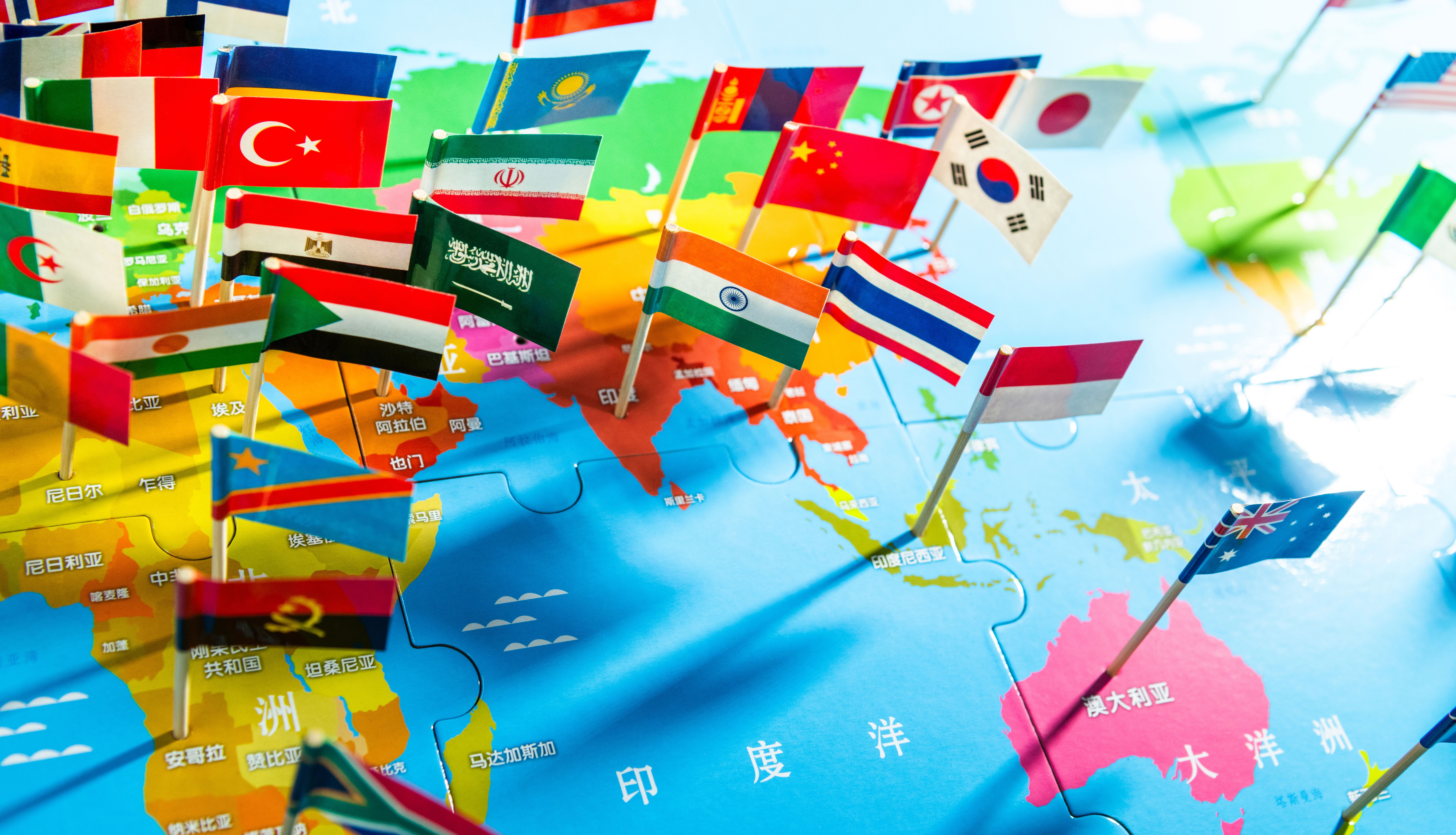
The Top Five Risks:
Financial De-risking: The loss of US banking relationships due to high risk labels.
Energy Price Shocks: A total reliance on imported fossil fuels during a Middle East escalation.
Insurance Unaffordability: The inability to secure coverage for major commercial assets.
Cyber Warfare: Attacks on critical infrastructure as part of global gray zone conflict.
Political Populism: Social unrest driven by the widening gap between the tourism elite and the local working class.
The Top Five Opportunities:
Renewable Sovereignty: Using geothermal and solar to decouple the national economy from the US Dollar price of oil.
Niche Nearshoring: Becoming the back office and light manufacturing hub for the Eastern Seaboard.
Blue Economy Assets: Monetizing maritime territories through sustainable fishing and carbon credits.
Digital Residency: Attracting high net worth sovereign individuals who want a stable, tech forward base.
Agro-Tech: Reducing the $5 billion regional food import bill through high tech, climate resilient farming.
The Exposure Map: The Bahamas and the OECS islands are most exposed. Their high debt and total reliance on US tourism make them beta plays on the US economy. Guyana, Suriname, and Jamaica are best positioned due to energy wealth or proven fiscal discipline and diversified services.
Conclusion: A Strategic Path Forward for the Caribbean
We cannot wait for a global consensus that is never coming. The Caribbean must stop acting like a collection of individual rocks and start acting like a consolidated economic bloc.

The path forward is not found in more debt. It is found in efficiency, energy independence, and digital integration. We must make it easier to move a dollar from St. Kitts to St. Vincent than it is to move a dollar from London to New York.
We are in a fight for relevance. The winners will be those who stop asking for aid and start offering alignment.
Calls to Action
For Business Leaders: Stop waiting for the old normal. De-risk your supply chain by sourcing closer to home. Invest in on-site energy generation to fix your overhead costs. If your business model relies on cheap anything, change it today.
For Governments: Aggressively pursue regulatory harmonization. Make the Caribbean a single market for capital and labor. If you make it hard for investors to move money in and out, they will simply go to Mauritius or Singapore.
For Regional Institutions: Stop the talk shops. We need a regional reinsurance facility and a consolidated maritime transport strategy. Scale is our only protection against global volatility. Use it or lose it.